Understanding Your Dead Battery: Types, Symptoms, and Safety Precautions
Batteries come in various types such as lead-acid, lithium-ion, nickel-cadmium, and others, each with unique characteristics and uses. Dead batteries often exhibit symptoms like inability to hold charge, slow engine crank, or complete power failure. Before attempting any revival, it’s crucial to identify the battery type and assess its condition carefully.
Safety is paramount: always wear protective gloves and eye protection, work in a well-ventilated area, and avoid sparks near the battery. Damaged or swollen batteries should be handled with extra caution and may require professional disposal. Understanding these basics helps you approach battery restoration with realistic expectations and reduces risks.
For more context before you decide: our detailed breakdown.
- Understand what how to make a dead battery work again at home actually involves before comparing products.
- Separate practical, verifiable details from marketing claims.
- Check the format, delivery, and refund terms on the official page.
- Read the full Easy Battery Reconditioning Course review for a product-specific decision.
Essential Tools and Materials Needed for Home Battery Revival
To safely and effectively attempt to revive a dead battery at home, gather the following tools and materials: a multimeter for voltage testing, a battery charger suitable for your battery type, protective gloves and goggles, a wire brush or battery terminal cleaner, distilled water (for lead-acid batteries), baking soda for neutralizing acid, and basic hand tools like wrenches or pliers.
Having these ready ensures you can perform inspection, cleaning, and charging steps properly. Using the right charger and following manufacturer guidelines is especially important to prevent battery damage or safety hazards.
Step 1: Inspecting and Cleaning Battery Terminals and Connections
Start by visually inspecting the battery for cracks, leaks, or corrosion. Corroded terminals are a common cause of poor battery performance. To clean, disconnect the battery terminals—negative first—then use a wire brush or terminal cleaner to remove corrosion buildup.
A mixture of baking soda and water can help neutralize acid deposits safely. After cleaning, rinse with water and dry thoroughly before reconnecting. Ensuring clean, tight connections can often restore partial function to a battery that seems dead due to poor contact.
Quick Next Step
Want to check the official details?
Compare the official details before deciding - visit the official page and review the presentation carefully.
Step 2: Applying Safe Charging Techniques to Revive Battery Power
Once the battery terminals are clean, connect the battery to a compatible charger. Use a slow, low-amperage charge setting to avoid overheating or damaging the battery. Monitor the charging process carefully, watching for unusual heat or smells.
Charging times vary by battery size and condition but typically range from several hours to overnight. Avoid jump-starting or fast charging without proper knowledge as these can cause further damage. If the battery fails to hold a charge after a full cycle, it may be beyond simple revival methods.
Step 3: Using Simple Chemical Treatments to Restore Battery Functionality
For certain lead-acid batteries, adding distilled water to refill electrolyte levels can help restore function. Some DIY methods suggest using chemical additives to break down sulfate crystals that cause capacity loss, but these should be approached cautiously and only with proper guidance.
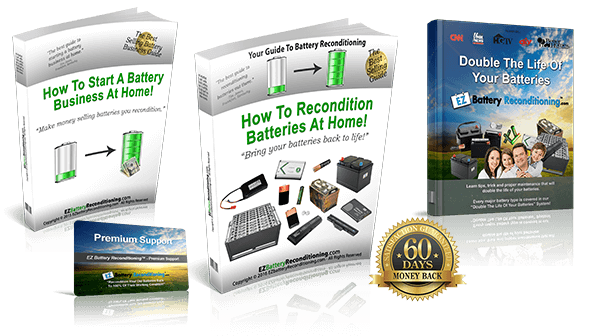
The Easy Battery Reconditioning Course provides step-by-step digital guides with photographs and diagrams explaining safe chemical treatment methods suitable for beginners. Remember, these treatments are not guaranteed and results vary based on battery condition and type. Always prioritize safety and consult professional advice if unsure.
Final Checks and Ongoing Maintenance to Extend Battery Life
After attempting revival, perform a final voltage and load test to assess battery health. Regular maintenance can prolong battery life, including keeping terminals clean, avoiding deep discharges, and storing batteries properly during long periods of inactivity. The Easy Battery Reconditioning Course also offers guidance on ongoing battery maintenance and tips for extending battery lifespan.
For those interested in a comprehensive approach, consider reviewing detailed resources like read our full review to explore the training program that covers these topics extensively. Remember, not all batteries can be revived, and proper disposal of irreparable batteries is important for safety and environmental reasons.
Ready for the next step? see how it compares.